
Materials That Age Well
Walk through any Victorian terrace in London or Edwardian villa in Surrey and you are surrounded by materials chosen by people who expected them to last. Lime plaster that has moved with the building for a century without complaint. Pine floorboards on their fourth or fifth life. Brass door furniture polished into softness by generations of hands. None of it was accidental. The builders of those houses specified for time, and time has returned the favour. Modern refurbishment can honour that thinking or ignore it, and the difference rarely shows on the day of handover. It shows a few years later, once everyone has stopped paying attention. This piece is about the materials and old techniques that pass the test, and the quiet logic behind them.
Two ways a material can age
Every surface in a home ages in one of two directions. Some materials degrade: they chip, delaminate, fade unevenly, and each year subtracts from them until replacement is the only kindness left. Others patinate: they wear in rather than wear out, acquiring depth and character, and each year adds something.
A foil-wrapped door and a solid oak one may look similar in a photograph on day one. Scratch both and the difference announces itself: one reveals chipboard, the other reveals more oak. The first can only be replaced; the second can be sanded, oiled and improved — twenty years from now, by someone who has never met the joiner who hung it.
That is the essential question to ask of any specification: when this surface is damaged — and every surface eventually is — can it be renewed, or only removed? It is true that several of the choices below cost more on day one, and it would be disingenuous to pretend otherwise. But the arithmetic usually turns in their favour well before year ten, because renewing something is nearly always cheaper than replacing it, and that arithmetic keeps working for as long as you own the house.
Letting old buildings breathe
The single most valuable old technique in period refurbishment is also the least visible: lime.
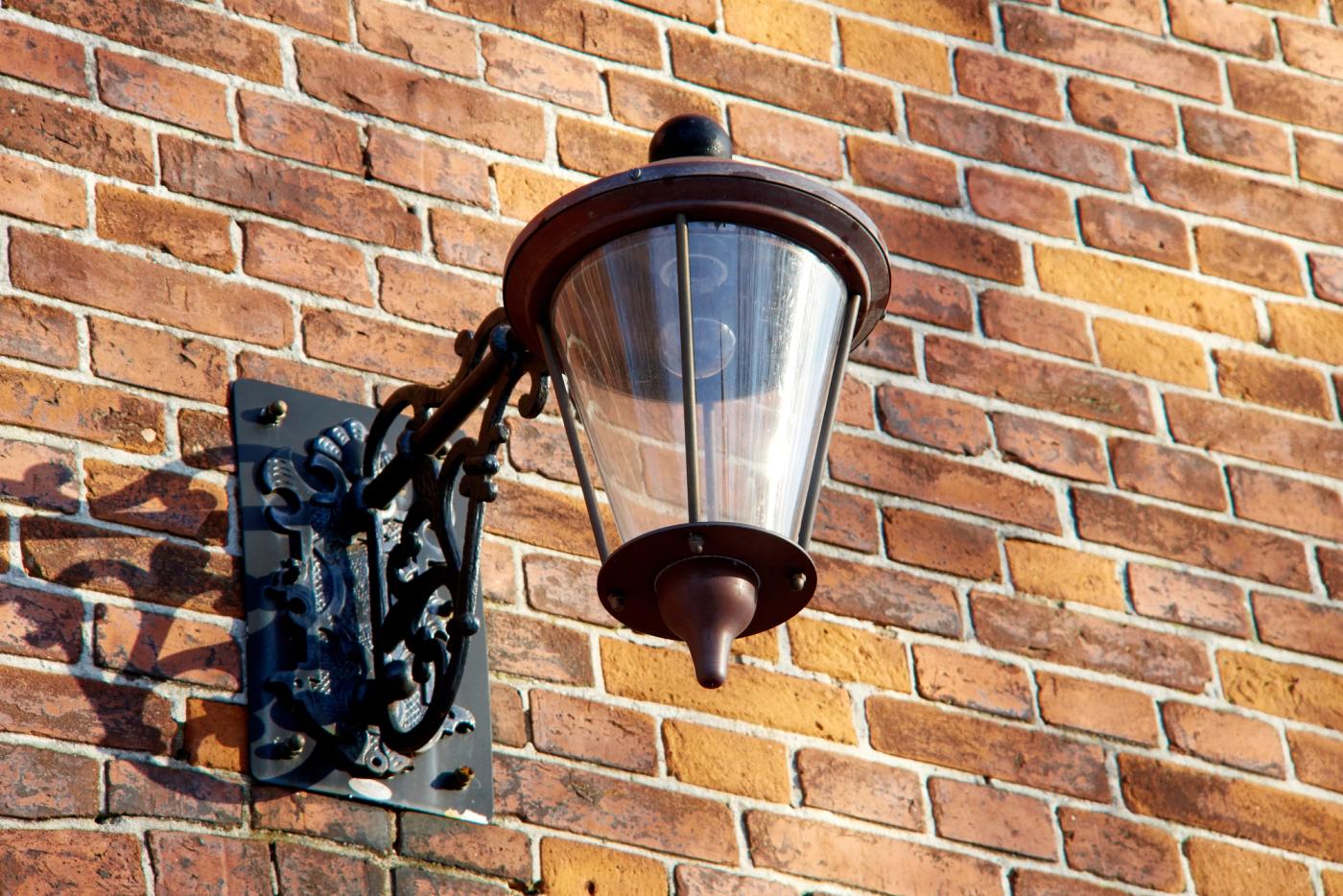
Victorian and Edwardian houses were built with lime mortars and plasters — materials that are softer than the bricks around them and permeable to moisture. The building breathes: moisture moves into the wall and out again, harmlessly, with the seasons. Lime is also subtly flexible, which is why period buildings can settle and shrug through decades of movement showing nothing worse than a hairline.
Replaster those same walls in hard, modern gypsum and cement, and the wall’s centuries-old moisture behaviour changes. Repointing old brickwork in hard cement mortar does something crueller still: the mortar becomes stronger than the brick, so when the wall moves or frost bites, it is the brick that sacrifices itself — the exact reverse of how the wall was designed to work, where the mortar is meant to be the weaker, sacrificial part.
Working in lime is slower. It cures over weeks rather than days and asks for a plasterer who understands it. But working this way is not a nod to tradition for its own sake. It is simply the correct engineering for the building, and it has been proven at the scale of a century.
The materials on the thirty-year list
And while the examples that follow lean on period houses — because they are the evidence — the logic holds just as firmly in a contemporary home: choosing materials that last is a decision available in any style, old or new.
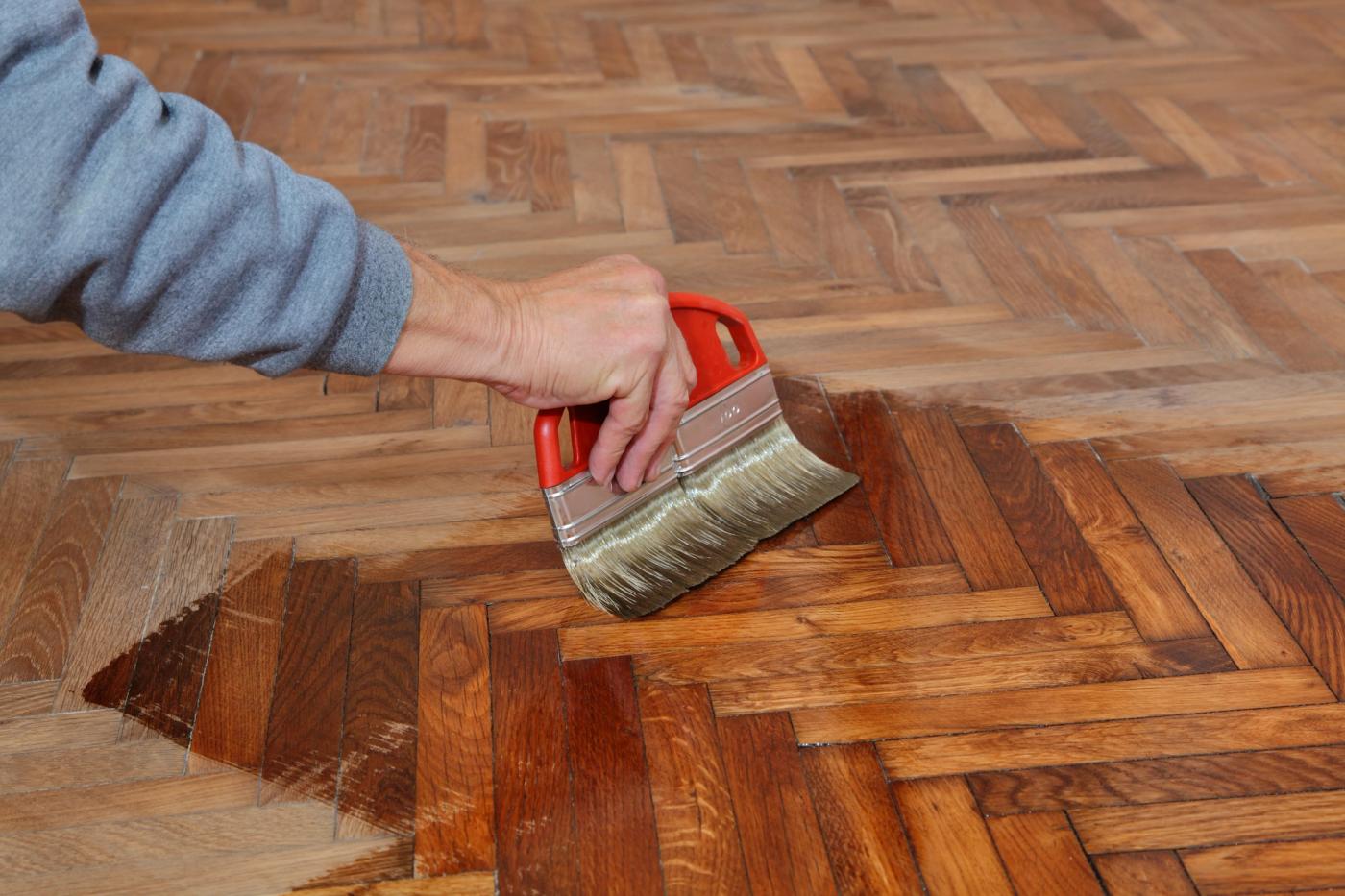
- Solid timber, honestly finished. Oak, ash and well-selected pine, in floors, doors and joinery, are renewable surfaces: they sand, they re-oil, they carry dents as biography rather than damage. Traditional joinery detail matters as much as the species — a properly made mortice-and-tenon door hangs true for generations, which is precisely why so many hundred-year-old originals are still in service.
- Natural stone. York stone thresholds, honed marble, slate: stone wears at a pace measured in lifetimes and never pretends. Where it marks, it mellows. A honed finish rather than a high polish is the traditional choice for surfaces that live hard — it forgives, and it can be re-honed.
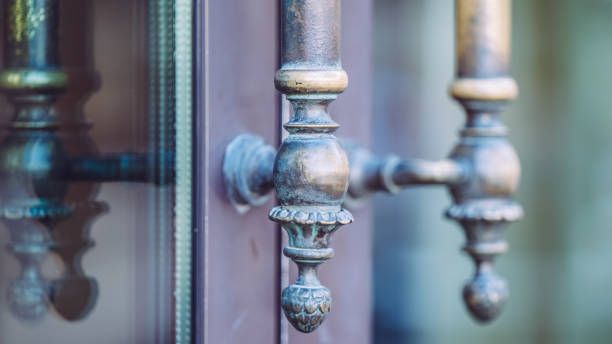
- Unlacquered brass and bronze. The old ironmongers’ trick: skip the lacquer. Unlacquered brass is a living finish — it darkens where untouched and brightens where hands fall, mapping the daily life of a house onto its handles. Lacquered brass, by contrast, looks perfect until the coating fails, and then can only be stripped or swapped, so the better choice is the one that still has somewhere to go once the first impression has worn off.
- Clay and terracotta. Handmade clay roof tiles and quarry floors have a colour that goes all the way through. Hundred-year-old clay-tiled roofs are not unusual in Surrey: you will find them across whole streets.
- Breathable, traditional paint systems. On lime plaster and old timber, traditional and mineral-based paints work with the wall rather than sealing it — and they age by softening rather than by peeling. A deep colour that mellows over a decade beats a plastic film that fails within one.
Specifying for the long game
The thread through all of this is a habit of mind more than a shopping list. Of every material in a specification, ask three questions:
How does it fail? How is it mended? And who will be able to mend it in 2056?
Materials with long histories tend to answer those questions well, because the answers are already on record — in the houses all around us, still standing, still working, still beautiful.
That is what “the test of time” actually means: a century of evidence sitting quietly in ordinary streets, there for anyone who walks down one and pays attention.
Fernings specifies and works with traditional materials and techniques across period and contemporary homes in London and Surrey. If you’re weighing choices for your own project, we’re always happy to talk through what will still be beautiful in thirty years.
Thinking about a project of your own? We are always glad to talk it through, with no obligation either way.
Start a conversation